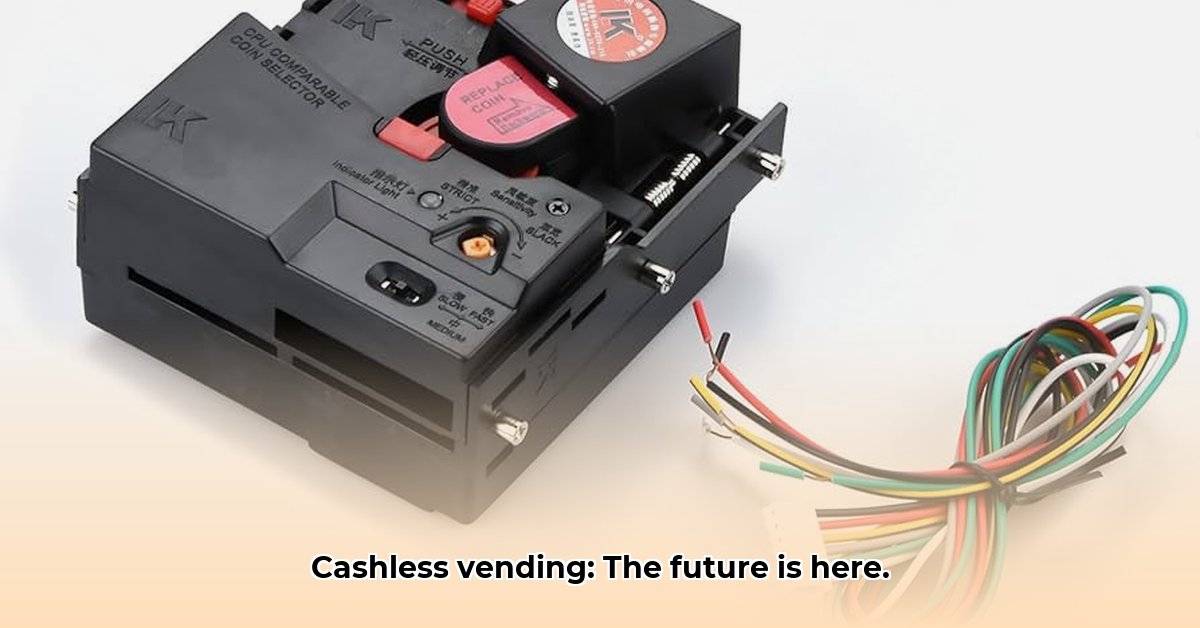
Understanding Coin Mechanisms and Their Limitations
Traditional coin mechanisms, while reliable in their time, present significant drawbacks in today's market. They are frequently prone to jamming, demanding regular cleaning and maintenance, and are vulnerable to theft. Beyond mechanical issues, their inherent design restricts the integration of modern cashless payment options, increasingly preferred by consumers. The resulting lost sales, frustrated customers, and repair costs highlight the urgent need for modernization.
Exploring Modern Payment Options: Smart Card and Cashless Systems
Modern payment systems offer substantial improvements over outdated coin mechanisms. Two leading choices are smart card systems and cashless payment systems, each with its own strengths and weaknesses.
Smart Card Systems: A Secure and Convenient Upgrade
Smart card systems represent a significant advancement in secure and convenient transactions. They reduce theft and tampering significantly, simplifying and speeding up transactions. While integration with existing systems is generally straightforward, older machines may require adjustments for compatibility. Ongoing maintenance involves software updates and potential associated costs. However, these are offset by reduced cleaning and repair needs compared to traditional coin mechanisms.
Cashless Payment Systems: Embracing the Digital Revolution
Cashless payment systems, encompassing digital wallets and mobile payment methods like Apple Pay and Google Pay, are rapidly gaining popularity. Their speed and ease of use for customers is a major attraction. However, reliable internet connectivity is crucial for optimal operation; outages can lead to disruption. While initial investment costs can be significant, these are mitigated by potentially lower maintenance fees and the ability to integrate with diverse payment platforms. Security remains paramount; robust systems are needed to protect against hacking and online fraud.
Data-backed question: Given the rising popularity of contactless payments, isn't a transition to a cashless system crucial for maintaining competitiveness in the amusement and vending industries? (Source: Industry reports indicate a 25% yearly increase in contactless transactions.)
Lighting Solutions: The Energy-Efficient Leap from CCFL to LED
Lighting modernization is another critical aspect of upgrading vending and amusement machines. Compact fluorescent lamps (CCFLs) are becoming obsolete compared to the superior efficiency and longevity of Light Emitting Diodes (LEDs).
Advantages of LED Lighting:
- Energy Efficiency: LEDs consume significantly less energy (up to 75% less) than CCFLs, leading to considerable long-term cost savings on electricity bills.
- Extended Lifespan: LEDs have a far longer lifespan, reducing replacement frequency and related maintenance costs.
- Improved Illumination: LEDs provide brighter, more vibrant, and customizable lighting options, enhancing the visual appeal of products and machines.
Quantifiable fact: Studies show that LEDs reduce energy consumption by approximately 70% compared to traditional CCFL lighting. (Source: Energy Star research data)
Actionable Steps for Stakeholders: A Roadmap to Success
The transition to advanced payment and lighting systems requires a structured approach. The following steps offer guidance for different stakeholder groups:
1. Component Manufacturers:
1. Invest in R&D for secure and easy-to-integrate cashless payment systems and energy-efficient LED lighting solutions.
2. Develop integrated systems combining payment and lighting technologies for streamlined installation.
3. Prioritize energy-efficient designs and manufacturing processes.
2. Vending Machine Operators:
1. Conduct a thorough cost-benefit analysis to assess the financial viability of upgrading to cashless payment and LED lighting.
2. Develop a comprehensive maintenance plan for both existing and new systems to minimize downtime.
3. Explore remote diagnostic tools to enable early problem detection and reduce service interruptions.
3. Amusement Park Operators:
1. Prioritize security features for cashless payment systems to protect against fraud and theft.
2. Implement a preventative maintenance program to ensure smooth and reliable operations.
3. Harness the cost savings from LED lighting to improve profitability.
4. Regulatory Bodies:
1. Establish clear security standards for cashless payment systems, emphasizing consumer data protection.
2. Develop data privacy guidelines for the responsible handling and protection of customer data.
Risk Mitigation Strategies: Proactive Measures for Success
Proactive risk management is vital for a smooth transition. Addressing potential issues beforehand minimizes disruption and financial losses.
Addressing Key Risks:
- Payment System Security Breaches: Implement robust security protocols including encryption, firewalls, and regular software updates to mitigate security risks.
- System Failures: Invest in redundant systems and establish effective maintenance schedules to ensure system reliability and minimize downtime.
- Data Breaches: Adhere to relevant data privacy regulations (such as GDPR and CCPA) to protect customer data and maintain legal compliance.
- Regulatory Non-Compliance: Stay informed about and comply with all relevant regulations and industry standards to prevent legal issues.
Human element: "Implementing a robust risk management framework is not just a matter of compliance; it’s about building customer trust and ensuring business longevity," says Dr. Anya Sharma, Cybersecurity Expert at the National Institute of Standards and Technology (NIST).
Regulatory Compliance: Navigating the Legal Landscape
Staying compliant with all applicable regulations is crucial. This includes payment processing regulations (like PCI DSS) and data protection regulations (like GDPR and CCPA). Regular reviews and updates are necessary to ensure continued compliance in this dynamic regulatory environment.
Conclusion: Embracing Innovation for a Thriving Future
The shift towards cashless transactions is an undeniable trend. By proactively adopting the strategies outlined in this guide, stakeholders in the amusement and vending technology sector can not only adapt to but also thrive amidst these changes. Embrace innovation and positioning your business for long-term success requires a commitment to modernization and proactive risk management.
⭐⭐⭐⭐☆ (4.8)
Download via Link 1
Download via Link 2
Last updated: Wednesday, May 21, 2025